Atmosphere TV
How Atmosphere.tv Keeps Sales Decks in Sync Across 60,000 Venues
See how Atmosphere.tv’s ad sales team turned a fragile maze of outdated decks into a governed, PowerPoint‑native “living library” using SlideCamp—protecting premium reach numbers, reducing friction for reps, and keeping every pitch on‑brand.
Feb 11, 2026

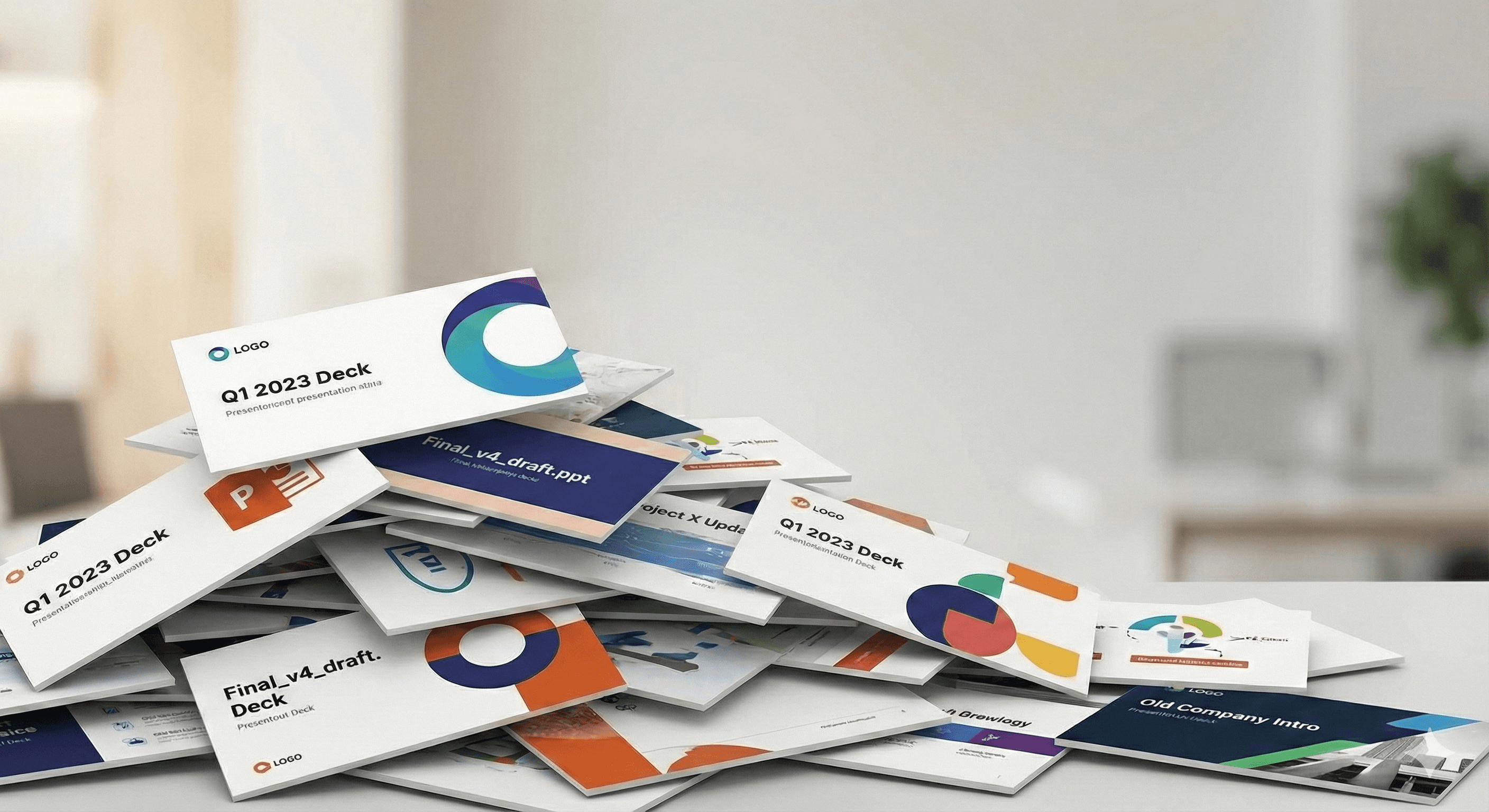
Picture a sales rep at Atmosphere.tv pulling up a pitch deck for a national alcohol brand. The reach numbers say 50,000 venues. The problem: Atmosphere passed 60,000 venues months ago. The rep doesn't know the slide is stale. Neither does the agency on the other end of the Zoom. And somewhere in Austin, the marketing team that built the deck has no idea it's still circulating.
This is the kind of quiet failure that doesn't show up in a CRM. It shows up in lost credibility, discounted proposals, and the slow erosion of a premium brand.
Michael Sanchez, VP of Integrated Marketing at Atmosphere.tv, knew the math.
And he knew it was getting worse.
Data That Expires Before the Ink Dries
Atmosphere.tv isn't a typical SaaS company with a stable product page. It is the world's largest streaming TV platform built exclusively for businesses such as bars, gyms, restaurants, airports, and medical offices, delivering audio‑optional content across 60,000+ venues worldwide and reaching roughly 160 million monthly viewers. The company raised its Series D at a $1 billion valuation and competes for ad dollars against premium CTV networks and major streaming platforms.
That growth is the product. When Atmosphere sells advertising, it sells an audience that changes every week. Venue counts shift, DMA coverage expands, and KPI sheets get refreshed with new campaign results. A media kit built on Monday can be factually wrong by Friday.
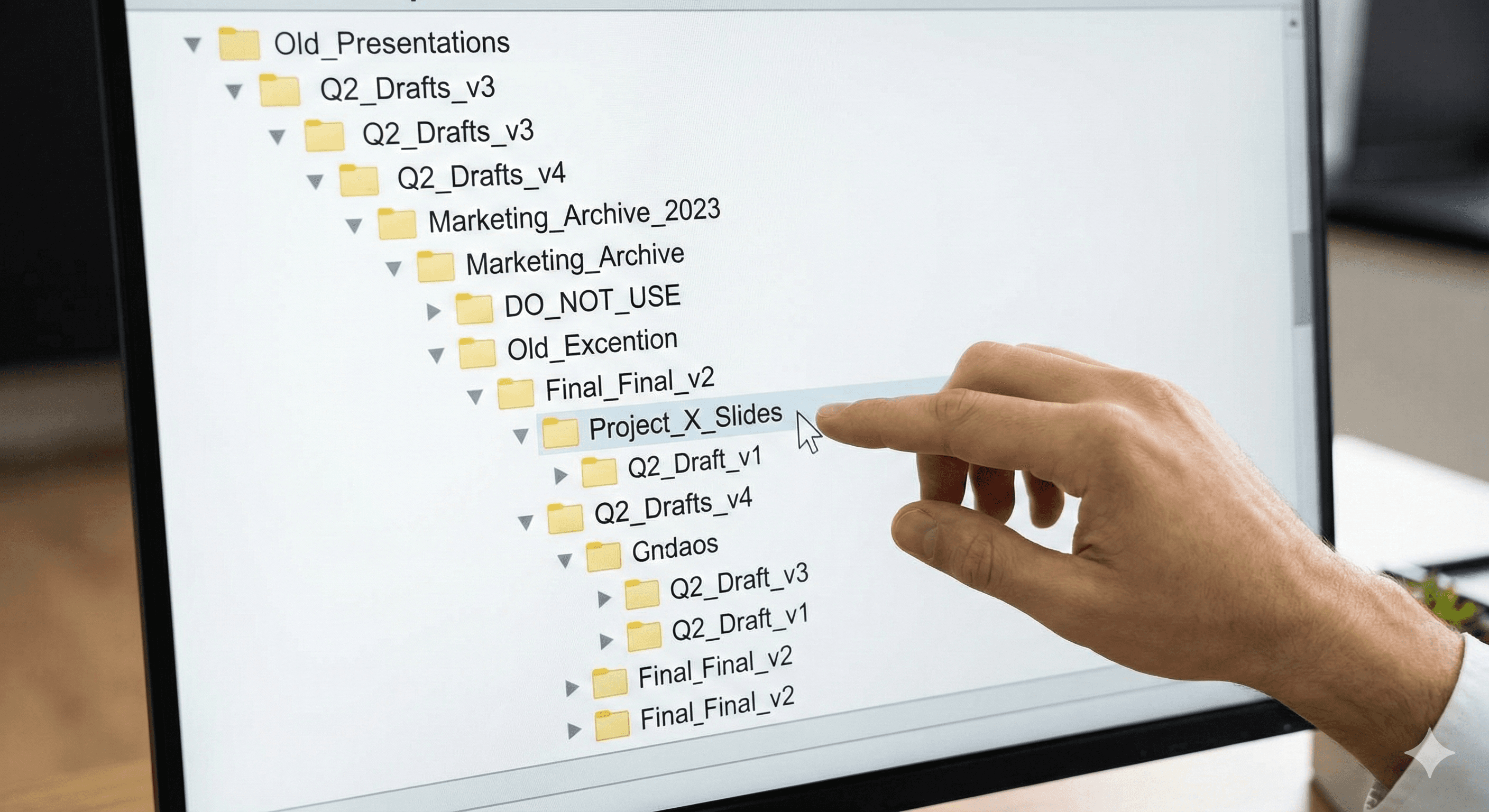
“Over two years, I got hundreds of decks and slides,” Sanchez explained. “They're easy to find, but you still have to click for something, click it, download deck, download this deck, combine the slides… across 20, 30, 40, 50 reps, that's a lot of friction.”
The friction wasn't hypothetical. Reps were saving decks locally, tweaking them, and presenting outdated numbers without realizing it. For a company pitching Fortune 500 advertisers in a DOOH market projected to exceed $50 billion by the early 2030s, that is not a workflow inconvenience; it is a revenue risk.
Why Bigger Platforms Fell Short
Atmosphere evaluated multiple enterprise sales‑enablement solutions with training modules, coaching playbooks, and sprawling feature sets aimed at organizations with dedicated implementation teams. The platforms were powerful, but the same pattern kept emerging: most of the functionality would go unused, while the core need—assembling decks quickly and keeping foundational slides consistent—remained buried under layers of extra features.
Those larger systems also pulled reps away from PowerPoint, a non‑starter for a team that had standardized on it for day‑to‑day work. What Atmosphere really needed was the narrow slice of capability those platforms hid inside their broader suites, without the months‑long implementation, ongoing admin overhead, or the 80 percent of features that would sit untouched.
The Part That Actually Mattered
SlideCamp entered the picture as a presentation management platform that operates entirely inside Microsoft PowerPoint. No new editor to learn. No web portal to adopt. A rep installs the add-in once from the Microsoft Store, logs in, and the full content library appears in a sidebar within the application they already use every day.
For Atmosphere, four capabilities proved decisive:
Search that reads slides, not just file names. SlideCamp indexes every word on every slide—plus image recognition—so a rep searching "QSR case study" or "alcohol" finds exactly the right assets in seconds, not the right folder to start digging through.
SlideSync for automatic version control. When Sanchez's team updates a reach slide or a KPI sheet in the master library, SlideCamp flags every deck containing the old version. One click replaces the outdated slides—whether the deck lives on a desktop, in email, or on Teams.
A browsable, structured library. Atmosphere's SlideCamp library mirrors how the team actually thinks: pages for GTM materials, RFP templates, case studies by vertical (alcohol, sports, fitness), KPI sheets, audience data, and local category decks. New reps can click around and learn the story, not just search for keywords.
Admin control without rigidity. Sanchez and his team govern what's in the library; reps get their own personal workspace to mix, match, and build custom decks from approved slides. "A lot of reps will download the stuff they like and keep mixing and matching in their own hodgepodge, and I'm not slapping wrists," Sanchez said. "But I can keep some of their files up to date from the administrative side."
From One Team to Many
Atmosphere didn't flip a switch and onboard the entire company overnight.
They started with the integrated marketing team—the group responsible for building the go-to-market strategy, RFP templates, and the growing library of vertical case studies and KPI one-pagers.
The initial focus was seeding the library with high-value, high-risk content: the GTM decks where stale data could derail a deal, the 55+ case studies that reps needed to pull from constantly, and the foundational slides—reach numbers, DMA maps, pricing frameworks—that changed most often.
Adoption spread organically. Team members began uploading their own materials. Other departments requested access. The user base grew from a core group to a broader cross-functional rollout, and Atmosphere expanded its license accordingly.
What Changed
The change at Atmosphere was structural. The company moved from a content model built on trust—trust that reps downloaded the right file, trust that nobody was using last quarter’s numbers—to one built on governance and live updates.
SlideCamp is now more than a hub for marketing and sales content. Teams use it to share polished presentations directly with clients and agencies via secure links, then measure engagement at the deck and slide level. They can see which narratives get opened, which case studies hold attention, and where prospects drop off, feeding real usage data back into how Atmosphere refines its story.
For a billion‑dollar media network selling premium ad inventory to the world’s biggest brands, that combination of control and visibility is the real win: every pitch tells the same story, with fresh data and a clear read on how it performs once it leaves the building.